
How to Decide on a Kids' Birthday Gift: A Parent's Practical Guide
Unsure what to buy or how much to spend on a child's birthday gift? Discover practical price guidelines, by-age recommendations, and host gifting etiquette.
Jijo George
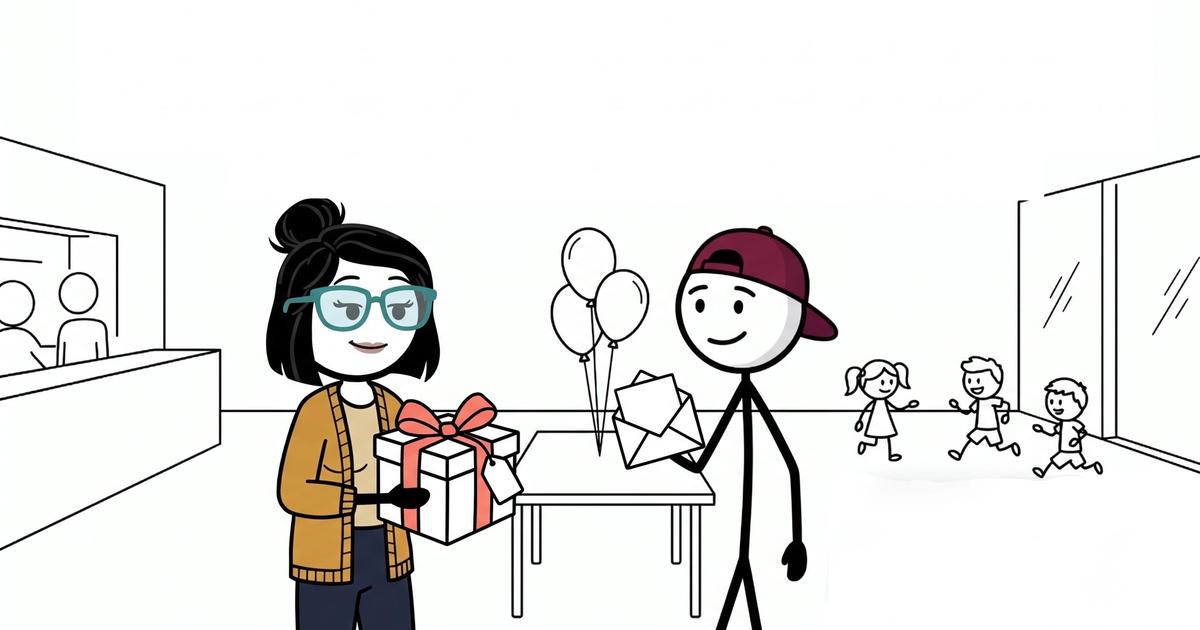
Every time we get an invite to a child's birthday party, one dilemma always crops up: deciding on the best gift.
It is usually simple when you already know the child and their specific interests well. However, when they are an acquaintance or classmate from school, things get tricky. In those situations, we are often left relying on instincts based purely on age and basic themes.
Anyone with a toddler knows that many of these gifts end up being played with once, forgotten, and left cluttering a bedroom cupboard. Yet skipping gifts altogether isn't really an option—especially for kids under 12, who look forward to opening presents and may not yet appreciate why non-thoughtful gifts end up being wasteful.
Then there is the question of budget: Is a $20 gift too cheap? Is $50 too much? While most parents don’t scrutinise the exact price tag of items their child receives, when buying a present for someone else, nobody wants to look stingy.
These awkward questions bother a lot of parents. To help solve the mystery, here is a practical breakdown from both a guest’s and a host’s perspective.
How to Choose the Right Gift (By Age)
The single biggest factor in deciding what to buy is the birthday child’s age.
- Under 3 Years Old: Children this young haven't developed complex, long-term hobbies yet. At this stage, everything is new, so focus on sensory exploration and motor skill development. Great options include sensory board books, simple musical instruments with gentle tones, and large building blocks (such as LEGO DUPLO) to build fine motor coordination. You don’t need to spend much at this age, as toys are frequently outgrown within months.
- Ages 4 to 5:Kids in preschool and kindergarten begin forming distinct interests—from racing cars and superheroes to Disney princesses. They love dress-ups, imaginative roleplay, and cooperative games they can enjoy with siblings and family. If you know the family, ask what current characters or themes the child loves.
- Ages 6 to 8:As kids grow into primary school, selecting presents gets easier. They develop concrete hobbies they enjoy with friends or independently. LEGO sets, craft kits, and beginner chapter books are reliable choices. Outdoor gear like scooters, roller skates, or bikes can also work, but always check with the parents first so you don't duplicate something they already own.
- Tweens (Ages 9 to 12): If the birthday child is a tween, finding a gift is straightforward. Check directly with your own child to see what their classmate is into. Graphic novels, popular book series, video games, or simple digital gift cards allow them to pick what they genuinely want.
How Much Should You Spend?
How much to spend on a party gift is a frequent topic of debate in our house. Personally, I don’t think price matters as long as the gift is thoughtful. However, how much you spend often comes down to the child's age and your relationship with the family.
Depending on your child's social circle, you could attend several parties every month. Spending $50 to $60 every single time adds up to hundreds—or even thousands—across the school year. With the current cost of living, most parents want to keep gifting practical:
- Classmates and Acquaintances ($15 – $25): Keep it useful. For younger kids (under 3), stick to the lower end, as toys tend to end up in an overflowing toy bin. For older primary school kids, opt for lasting utility: engaging storybooks, fun clothing, or classic card and board games.
- Close Friends ($25 – $50):Because you know the child well, you can invest a little more into something tailored: a specific LEGO set, a popular book series, or an outdoor activity set.
- Relatives & Family ($30 – $70): Gifting within family is generally simpler. Ask the parents or the child directly for a wishlist item so your money goes toward something they truly cherish.
- Your Own Child: This simply comes down to your personal budget. Take your child along while shopping so you can pick something they will genuinely value.
How Party Hosts Can Help
Gifting isn't just tricky for guests—it is equally overwhelming for hosts. Many parents end up with mountains of duplicate plastic toys after a single party, some of which sit unopened in wardrobes for months.
Hosts can remove all the guesswork by setting a clear gifting preference directly on their party invitations:
- Standard / Traditional: No specific instructions are given. This is traditional, but it leaves guests guessing.
- Fiver Party: Guests tuck a $5 bill into a birthday card towards one single dream gift (like a bicycle, scooter, or large building set). It is affordable for guests and helps avoid excess clutter.
- Gifts Not Necessary: Guests are warmly welcomed to celebrate without the pressure or expense of bringing a present.
- Strict "No Gifts" Policy: While this can work well for older kids or teens, younger children often still look forward to the ritual of unwrapping presents.
- Curated Gift Ideas / Wishlist: The host shares a few specific categories or themes the birthday child enjoys, eliminating the guesswork.
- Book Swap: If the birthday child loves reading, ask each guest to bring a favourite wrapped book (new or gently loved, under $10–$15) to swap with another child.
Take the Stress Out of Gifting
Buying kids' gifts and managing post-party toy clutter can feel exhausting, but clear communication solves most of it.
That is why we built gift preferences directly into PlanYourParty.com.au. When setting up a party, hosts can select their preferred gifting style (including Fiver Party options, book swaps, or tailored wishlists). Guests can see those preferences immediately when they RSVP—no logins, awkward text messages, or guesswork required.
Disclosure: As an Amazon Associate, PlanYourParty earns from qualifying purchases made through links in this post at no extra cost to you
Planning this party in Australia?
Avoid last-minute chaos. Use Plan Your Party's free tools to collect RSVPs with allergen notes, calculate portion sizes, and organize your run-sheet.
The 4-Week Countdown & 'Zero-Tears' Party Blueprint
Chronological planning broken into 15-minute bite-sized milestones to eliminate party stress. Print it out and stick it on your fridge!
1. 4-Week Countdown Checklist
15-minute milestones: Date locking, invites & final 24h staging.
2. Catering & Drinks Estimator
Portion matrix per child + the 65% "Staying Parents" rule & cake guide.
3. "Zero-Tears" Party Day Run Sheet
Minute-by-minute energy rhythm & emergency schedule adjustments.
4. Guest Tracker & Sanity Saver Kit
Allergy safety grid & the #1 forgotten items packing caddy.
Written by